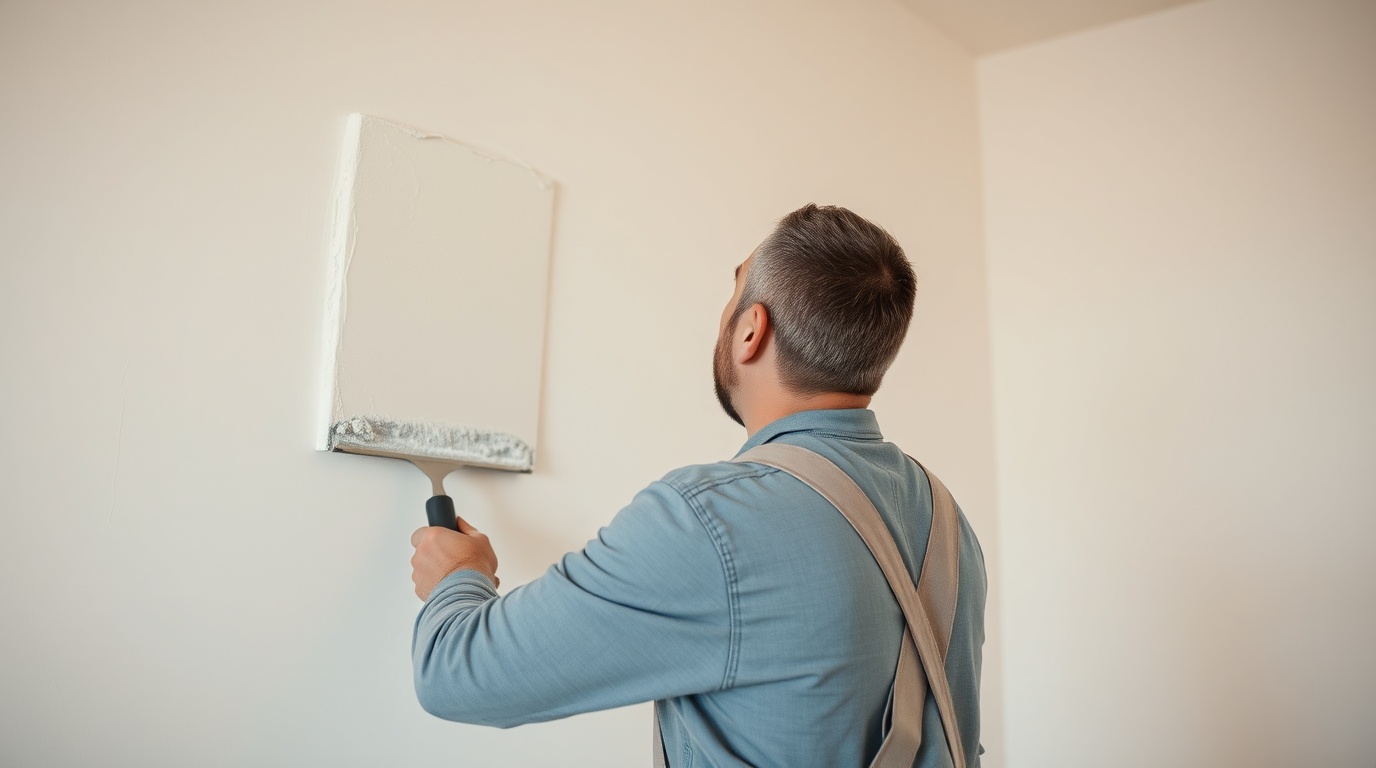
The short answer
Bonding plaster is an undercoat (backing) plaster used to build out the base layer of a plastered surface before the thin finish coat goes on. Its defining job is to stick to difficult, low-suction or smooth backgrounds — engineering brick, concrete, painted walls, sand-and-cement render, plasterboard joints and dense blocks — where a more absorbent backing plaster like browning would not grip well. Plasterers also use it to fill out depth and patch holes, building a surface back up to the right level before skimming. It is applied thicker than the finish coat, scratched or "keyed" while still soft so the topcoat can bond to it, and then left to firm up before a finish plaster is applied over the top. Bonding is a gypsum-based product, so on older breathable solid walls a lime-based system is usually the more suitable choice.
Walk into a builder's merchant and you will see several bagged plasters — bonding, browning, hardwall, multi-finish — and it is not obvious which does what. Bonding plaster has a specific and useful role. Here is when it is the right one to reach for.
Bonding plaster — at a glance
- TypeGypsum undercoat / backing plaster
- Main jobBonds to smooth, low-suction backgrounds
- Also used forBuilding out depth and patching
- AppliedThicker than finish, then keyed
- Topped withA finish / skim plaster
What bonding plaster is
Plastering a wall is usually done in layers. A thicker undercoat (also called a backing or floating coat) builds the surface out to the right depth and provides a flat, keyed base, and a thin finish coat (skim) is applied over it to give the smooth surface you decorate. Bonding plaster is one of the common undercoat plasters.
It is a gypsum-based backing plaster, and its distinguishing feature is in the name: it bonds well to surfaces that other backing plasters struggle with. Most backing plasters rely on the background's suction — its ability to absorb water from the wet plaster — to grip. Bonding plaster is formulated to adhere to backgrounds that have low suction: smooth, dense or non-absorbent surfaces that would not draw water out of an ordinary backing plaster, so a normal backing would simply slide or fail to key.
Bonding is applied more thickly than a finish coat, and crucially it is scratched or combed ("keyed") while still soft, leaving a textured surface so that the finish skim applied later has something to grip. It is left to firm up and partly set before the topcoat goes on.
When bonding is the right choice
Bonding plaster is the undercoat to reach for when the background is smooth, dense or low in suction. Typical uses include:
- Low-suction or non-absorbent backgrounds: engineering brick, concrete, dense concrete blocks, smooth render and painted walls, where browning would not grip reliably.
- Building out depth: bringing a wall surface out to the required level, for instance after chasing in cables or pipes, or where the background is uneven and needs filling before skimming.
- Patching and making good: filling holes and repairing areas where old plaster has been cut out, building the patch back up to the surrounding level ready for a finish coat.
- Over plasterboard joints and difficult junctions: where extra adhesion and build are needed.
- On surfaces treated with a bonding agent: very smooth or low-key backgrounds are often first treated with a PVA-type bonding agent or a proprietary primer to improve adhesion before the bonding plaster is applied.
By contrast, on a normal absorbent brick or block wall with good suction, plasterers often use browning (a backing plaster that relies on suction) instead. The choice of undercoat is matched to how absorbent the background is.
How bonding differs from browning and finish plaster
It helps to see the common bagged plasters side by side, because their roles are distinct and using one in place of another causes problems.
| Plaster | Role | Best background |
|---|---|---|
| Bonding | Undercoat — adhesion to smooth/low-suction | Concrete, engineering brick, painted, render |
| Browning | Undercoat — relies on suction | Absorbent brick and block |
| Hardwall | Undercoat — quicker set, durable | Most masonry backgrounds |
| Multi-finish / finish | Thin top skim coat | Over an undercoat or plasterboard |
| Lime plaster | Breathable undercoat/finish | Old solid walls, laths (period homes) |
Guidance on common UK plaster types and their roles. Sources: general plastering practice; manufacturer product guidance.
Practical points and the old-building caveat
A few practical considerations make the difference between bonding plaster that performs and bonding plaster that fails:
- Prepare the background. Remove dust, loose material, oil and flaking paint. Very smooth or low-suction surfaces usually need a bonding agent or primer first so the plaster grips.
- Control suction. Too much suction pulls water out of the plaster too fast and it cracks or fails to bond; too little and it slides. Bonding is the answer for the low-suction end, sometimes with the background dampened or sealed to balance it.
- Key it. Always scratch or comb the bonding coat while soft so the finish has a mechanical grip.
- Don't apply it too thick in one pass. Heavy build is done in layers; one overly thick coat can slump, crack or be slow to set.
One important caveat: bonding plaster is a gypsum product, and gypsum is not breathable. On an older solid-wall home that needs to breathe, using gypsum bonding and gypsum finish can trap moisture and cause damp and blown plaster. In those buildings the appropriate system is usually a breathable lime undercoat and finish, not bonding plaster. Bonding is a modern-construction product; match it to modern, impermeable backgrounds rather than to a breathing period wall.
Common situations where bonding earns its place
It helps to see where bonding plaster typically comes into its own on a real job, because the choice is always driven by the background in front of you:
- After chasing in cables and pipes. When an electrician or plumber has cut channels into a wall, the chases are filled and the surface brought back to level. Bonding is a good filler-and-build undercoat for this, especially over the dense, low-suction materials often exposed in a chase.
- Concrete lintels, beams and columns. Smooth structural concrete has very little suction. Bonding, usually with a bonding agent applied first, grips where a suction-reliant backing plaster would slide.
- Painted walls being made good. Where a sound painted surface is being plastered over, bonding (over a suitable primer or bonding agent) adheres to the low-suction paint film.
- Patch repairs in modern plaster. When a hole is cut out of a modern gypsum-plastered wall, bonding rebuilds the depth before a finish skim ties the patch into the surrounding surface.
- Around door and window reveals and reformed openings, where new, often dense, masonry meets the existing wall.
In each case the deciding factor is the same: the background is too smooth or too dense for a suction-reliant backing plaster to key onto, so bonding — formulated for adhesion — is the right undercoat. Recognising low suction by eye and touch is the practical skill behind choosing it, and a quick test is whether a splash of water soaks straight in (high suction) or beads and runs (low suction, where bonding suits).
Frequently asked questions
What is the difference between bonding and browning plaster?
Both are undercoat (backing) plasters, but they suit different backgrounds. Bonding plaster is formulated to grip smooth, dense, low-suction surfaces such as concrete, engineering brick and painted walls. Browning relies on the suction of an absorbent background, so it is used on ordinary, more porous brick and block. Using the wrong one for the suction of the wall is a common reason a backing coat fails to key.
Can you skim straight over bonding plaster?
Yes — bonding is an undercoat designed to be finished with a thin skim coat. It is applied thicker, keyed (scratched) while soft so the finish can grip, and left to firm up. A finish or multi-finish plaster is then applied over it to give the smooth, decoratable surface. You do not leave bonding plaster as the final exposed surface.
Should I use bonding plaster in an old house?
Often not. Bonding plaster is gypsum-based and not breathable, so on an older solid-wall home that needs to breathe it can trap moisture and lead to damp and blown plaster. In period properties where the original is lime, a breathable lime undercoat and finish is usually the correct system. Bonding plaster is best suited to modern, impermeable backgrounds.
Sources & further reading
- British Gypsum — undercoat plasters technical guidance
- The Federation of Plastering and Drywall Contractors — plastering guidance
- Historic England — plasters and renders in traditional buildings
Figures on this page are typical UK ranges drawn from published sources and depend on your specific room. They are guidance, not a quotation.