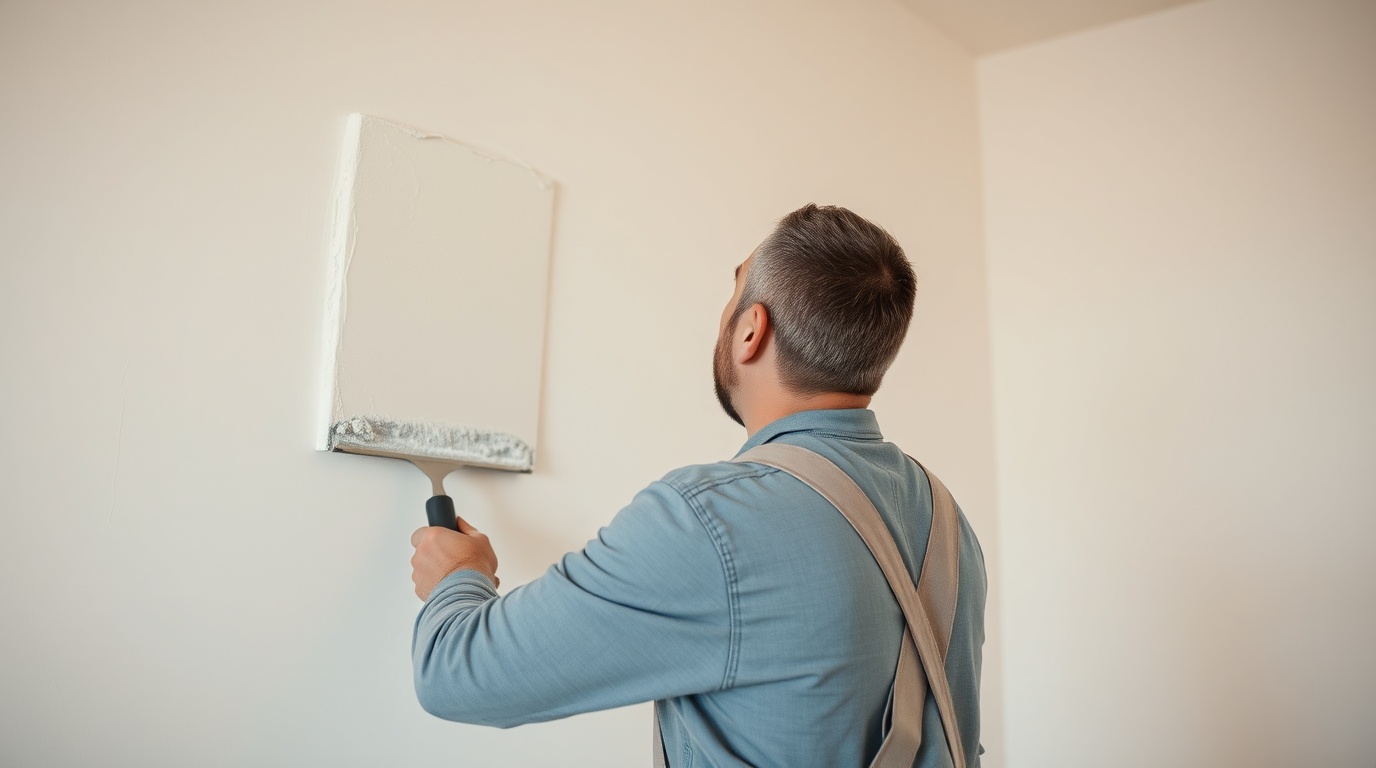
The short answer
In many cases a sound, intact Artex surface can be skimmed over to leave it smooth, which avoids disturbing the textured coating. The important caution is asbestos: textured coatings such as Artex made before 2000 may contain asbestos, and homes pre-1985 are more likely to. Because of that, you should not sand, scrape or sand-down Artex and should have it tested by a competent professional before any work that could disturb it. Asbestos is regulated by the HSE under the Control of Asbestos Regulations 2012. If a textured coating is found to contain asbestos, removal is specialist work — refer it to a suitably qualified asbestos professional rather than attempting it yourself.
Plastering over Artex is common, but the asbestos question must come first on any older textured ceiling. This page explains when skimming over is an option and why testing matters — it does not cover removal, which is specialist work.
Key points
- Pre-2000 Artexmay contain asbestos
- Pre-1985 homeshigher likelihood
- Neversand or scrape it dry
- Before disturbinghave it tested
- RegulatorHSE (Control of Asbestos Regs 2012)
The asbestos caution comes first
Textured decorative coatings like Artex applied before 2000 can contain asbestos, and the likelihood is higher in homes built before 1985. Asbestos is only a risk when fibres are released into the air, which happens if the coating is sanded, scraped, drilled or broken up. For that reason, the safe approach on any older textured ceiling is to leave it undisturbed and have a sample tested by a competent professional before any work. Asbestos-containing materials are regulated by the HSE under the Control of Asbestos Regulations 2012. This page does not give removal instructions: if testing finds asbestos, that is specialist work for a qualified asbestos removal professional.
When skimming over is an option
Where a textured coating is sound, intact and not flaking, plastering over it is often possible: the ceiling is sealed with a suitable bonding agent and then skimmed to a smooth finish, which encapsulates the surface rather than removing it. This avoids creating dust — but it should only be done where the coating is in good condition and, for pre-2000 ceilings, after the asbestos position is understood. If the Artex is loose, crumbling or damaged, skimming over won't be reliable, and any decision to remove or treat it should follow professional testing and advice. A plasterer experienced with older ceilings can advise on the practicalities once the material is known to be safe to work over.
| Situation | Sensible step |
|---|---|
| Pre-2000 textured ceiling | Test for asbestos before any work |
| Sound, intact, tested safe | Can often be sealed & skimmed over |
| Loose, flaking or damaged | Stop — get professional advice |
| Asbestos confirmed | Specialist removal only (not DIY) |
General guidance — confirm your own case with a competent asbestos professional. Source: HSE.
Frequently asked questions
Can you plaster over Artex?
Often yes, where the coating is sound and intact — it's sealed with a bonding agent and skimmed to a smooth finish, which encapsulates it. For pre-2000 ceilings, the asbestos position should be understood first, and loose or damaged coatings need professional advice before any work.
Does Artex contain asbestos?
It can. Textured coatings made before 2000 may contain asbestos, and the likelihood is higher in homes built before 1985. The only way to be sure is to have a sample tested by a competent professional before any work that could disturb it.
Is it safe to skim over an asbestos ceiling?
Encapsulating a sound, intact textured coating by skimming over it can be appropriate, but only after testing and where the surface is not disturbed. Never sand or scrape it. If asbestos is confirmed and the coating is damaged, refer it to a licensed asbestos specialist rather than handling it yourself.
Sources & further reading
Figures on this page are typical UK ranges drawn from published sources and depend on your specific room. They are guidance, not a quotation.