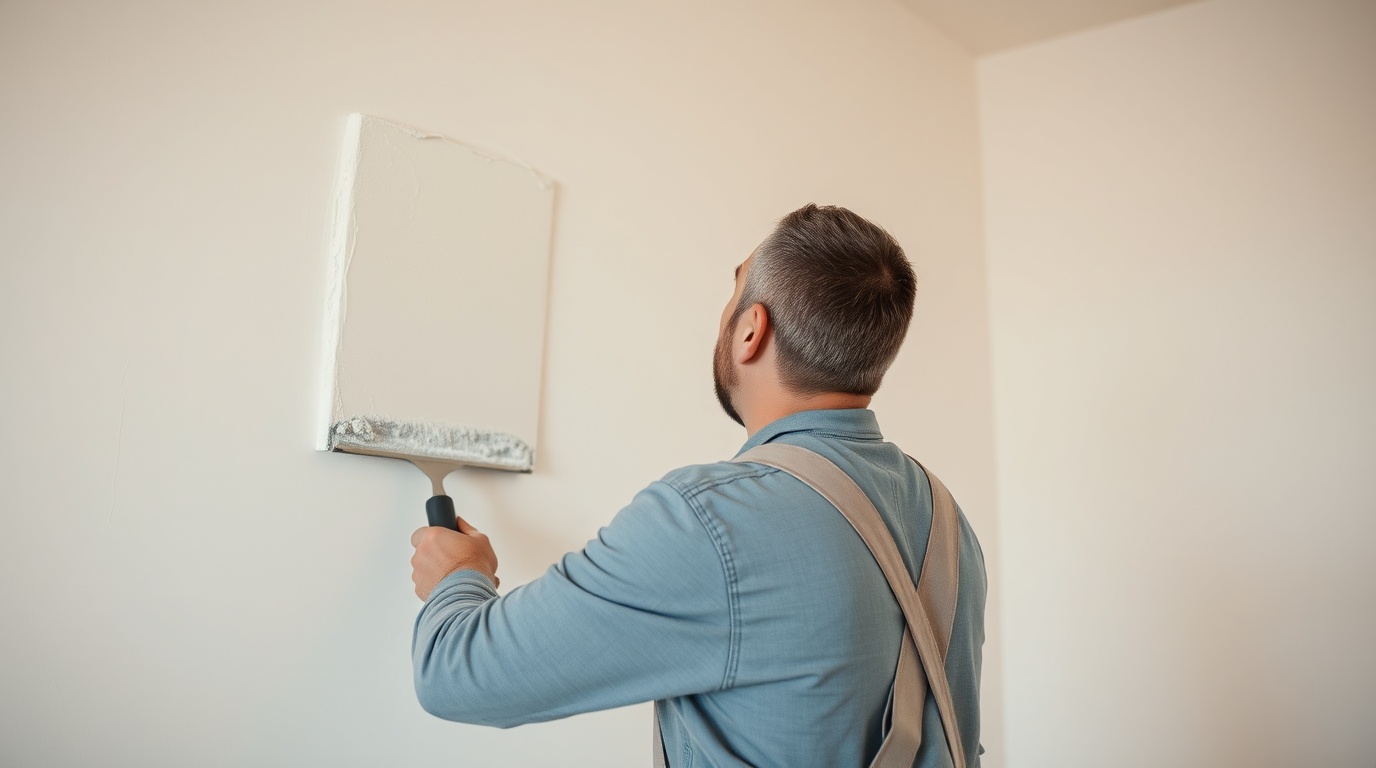
The short answer
A skim is a thin 2–3mm finish coat applied over walls that are already sound and reasonably flat — it smooths and refreshes the surface ready for painting. A full re-plaster means hacking the old plaster off back to the brick or block, applying a backing coat (such as browning or hardwall) to build the surface up, then skimming over it. You usually only need a skim if the existing plaster is firmly stuck and just tired or lightly cracked; you need a re-plaster if the plaster is blown, hollow-sounding, crumbling, damp-damaged or coming away from the wall. A re-plaster costs more and takes longer to dry, but a skim over failing plaster won't last.
The choice between a skim and a re-plaster comes down to one thing: is the plaster on the wall now sound? Knowing the difference helps you read a quote and avoid paying for more — or less — than the wall needs.
At a glance
- Skimthin 2–3mm finish over sound walls
- Re-plasterstrip to brick, backing coat, then skim
- Skim whenplaster sound, just tired or cracked
- Re-plaster whenplaster blown, hollow or damp-damaged
- Costskim lower; re-plaster higher
What each job involves
- Skim coat: a thin layer of finish plaster (around 2–3mm) trowelled over an existing sound surface — old plaster, plasterboard or a previously plastered wall — to give a smooth, paintable finish.
- Full re-plaster: the old plaster is hacked off back to the masonry, a backing coat (browning or hardwall) is applied to build up and level the wall, then a skim finish goes on top.
- Disruption: a skim is quicker and cleaner; a re-plaster is dustier, generates waste and takes longer overall — including drying time.
When each is needed
Tap the wall: if the plaster sounds solid and is firmly bonded, just tired, lightly cracked or previously papered, a skim is usually enough. If it sounds hollow or drummy, is bulging, blown, crumbling, or shows damp damage, the bond has failed and a full re-plaster is the lasting fix — skimming over failing plaster simply puts a fresh face on a wall that's still coming away. Damp must be traced and dealt with first, or any new plaster will fail too.
| Wall condition | Usually needs |
|---|---|
| Sound, firmly bonded, just tired | Skim |
| Old wallpaper removed, surface intact | Skim |
| Hollow / drummy when tapped | Re-plaster |
| Blown, crumbling or damp-damaged | Re-plaster (fix damp first) |
General guidance — a plasterer should check the wall in person before deciding.
Frequently asked questions
What is the difference between skimming and re-plastering?
Skimming is a thin 2–3mm finish coat over walls that are already sound, giving a smooth paintable surface. Re-plastering means stripping the old plaster back to brick, applying a backing coat to build the wall up, then skimming — used when the existing plaster has failed.
How do I know if I need a re-plaster or just a skim?
Tap the wall. If it sounds solid and the plaster is firmly bonded, a skim is usually enough. If it sounds hollow or drummy, is bulging, crumbling or damp-damaged, the bond has failed and a full re-plaster is the lasting fix.
Can you skim over old plaster?
Yes, if the old plaster is sound and firmly stuck to the wall. If it's blown, hollow or coming away, a skim over the top won't last and the wall needs re-plastering instead.
Sources & further reading
Figures on this page are typical UK ranges drawn from published sources and depend on your specific room. They are guidance, not a quotation.