The short answer
"Blown" plaster is plaster that has lost its bond with the surface behind it, so it is no longer firmly stuck to the wall even though it may still be in one piece. You can often detect it by tapping: a sound, well-bonded area gives a solid sound, while a blown area sounds hollow or drummy and may bulge, crack or feel springy. The most common causes in UK homes are damp (which softens the bond and carries salts that push the plaster off), the natural failure of the plaster's key — the grip it had on lath, brick or block — and poor original preparation or adhesion. On older lath-and-plaster walls and ceilings, blown plaster often means the plaster "nibs" that hooked behind the laths have crumbled. Blown plaster is usually a localised repair, but if it is widespread or damp-driven, the underlying cause must be found first.
Blown plaster is one of the more common complaints in older homes, and the word "blown" simply describes plaster that has come away from the wall behind. Understanding why it has lost its grip tells you whether you are facing a quick patch or a bigger job.
Blown plaster — key facts
- What it meansPlaster has lost its bond to the wall
- How to detectTap it — hollow / drummy sound
- Top causeDamp and salt contamination
- Old-house causeFailed lath-and-plaster key/nibs
- Fix scopeLocalised patch, unless damp is widespread
What "blown" actually means
When plaster is applied, it grips the surface behind it — this grip is called the key or the bond. On a brick or block wall, plaster keys into the texture of the masonry and the suction of the background. On a traditional lath-and-plaster wall or ceiling, the wet plaster is pushed through the gaps between thin timber laths and squeezes out behind them to form "nibs" that hook over the back of each lath, holding the plaster in place like hundreds of little anchors.
Plaster is said to be blown when that bond fails. The plaster has separated from the background but is being held in place only by the surrounding plaster, paint or its own rigidity. It is no longer doing the one job it needs to do — staying stuck to the wall. Tapping a blown area produces a hollow, drumming sound quite different from the solid ring of well-bonded plaster, and the surface may bulge outward, crack around the edges of the blown patch, or flex when pressed.
Blown plaster is not the same as a surface crack. A crack is a split in otherwise sound plaster; blown plaster is a loss of adhesion. You can have a perfectly crack-free wall that is extensively blown behind the paint, and you can have a heavily cracked wall that is still firmly bonded.
The common causes in UK homes
Several mechanisms cause plaster to lose its bond. The usual ones are:
- Damp and water ingress. This is the most frequent cause. Persistent moisture — from rising damp, penetrating damp through a defective wall, a plumbing or roof leak, or condensation — softens the plaster, weakens its bond, and dissolves and carries salts to the surface. As the wall dries and wets repeatedly, the plaster is pushed away from the background. Damp-blown plaster is often accompanied by staining, a tide mark, salt crystals (efflorescence), bubbling paint and a musty smell.
- Salt contamination. Hygroscopic salts drawn out of the masonry (especially where there has been historic rising damp or where chimneys have been affected by combustion salts) absorb moisture and expand and contract, mechanically forcing the plaster off the wall over time.
- Failed lath-and-plaster. In older homes, the plaster nibs that hook behind the laths gradually crumble with age, vibration and any movement of the timber laths themselves. Once enough nibs have broken, whole panels of plaster lose their anchorage and sag or bulge away from the laths — particularly on ceilings, where gravity pulls the loosened plaster downward.
- Poor original adhesion. Plaster applied over a dusty, painted, oily or insufficiently prepared surface, or onto a background with too little or too much suction, may never have bonded properly. It can blow within a few years of being applied because the key was inadequate from the start.
- Vibration and movement. Heavy traffic, building work, slamming doors and structural movement can progressively break a marginal bond.
Find the cause before you repair
The temptation with blown plaster is to hack off the loose area and re-skim. That is the right repair, but only after you have established why it blew. If damp caused it, re-plastering without curing the damp simply means the new plaster will blow as well — and you will have spent money hiding a problem that keeps coming back.
- If the blown area is dry, localised and on an old lath wall: it is most likely age-related key failure. This is a straightforward localised repair.
- If the blown area is damp, stained, salty or spreading: treat the damp as the primary problem. Find and fix the source — a leaking gutter, a failed damp-proof course, a plumbing leak, penetrating damp through a solid wall, or condensation — and let the wall dry before re-plastering, often with a salt-resistant approach.
- If the blown plaster is on a ceiling and large: take care. A heavy blown ceiling, especially old lath-and-plaster, can come down suddenly and is a safety hazard. Keep people away from a bulging ceiling and get it assessed.
How blown plaster is repaired
Once the cause is understood and dealt with, the repair itself is well established:
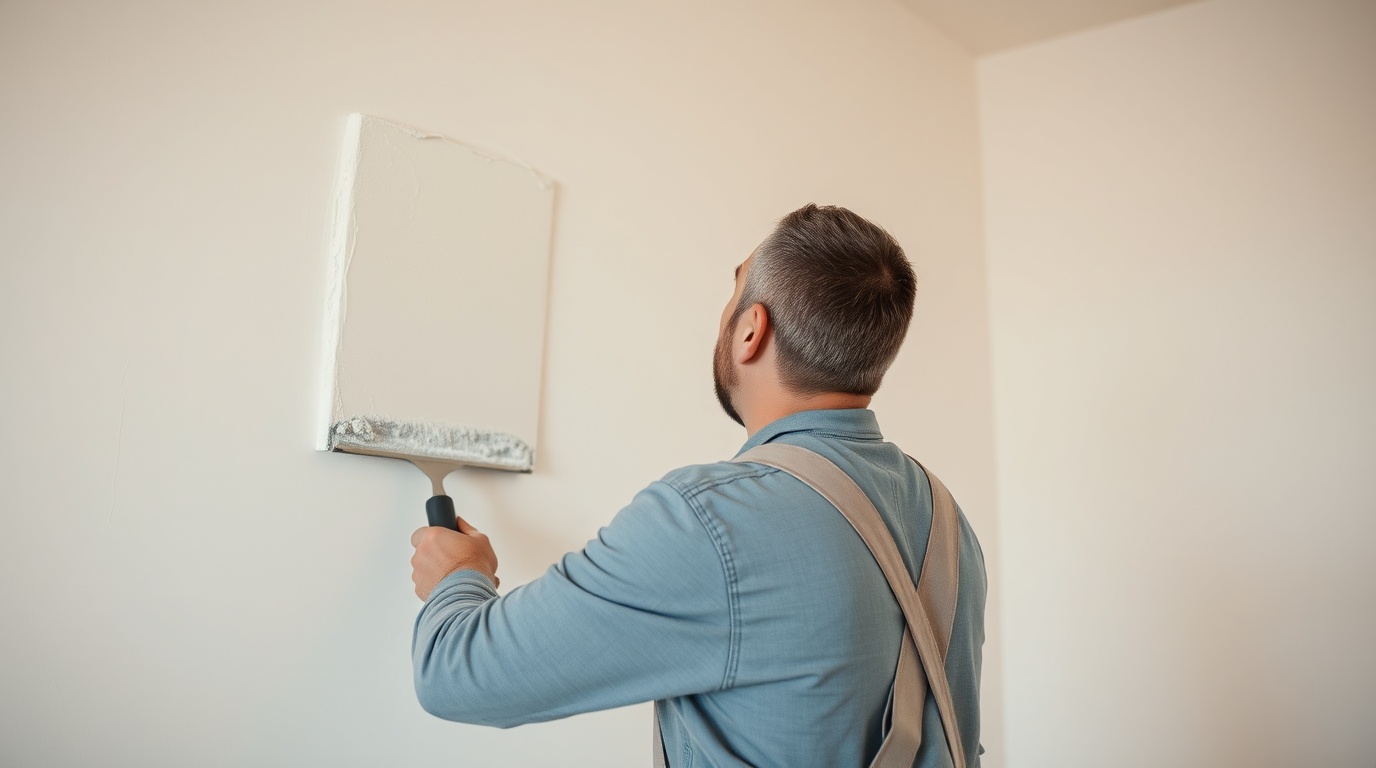
- Remove the blown plaster. All the loose, hollow-sounding material is carefully hacked off back to a sound, firmly bonded edge and down to the background (brick, block or laths).
- Prepare the background. The exposed wall is cleaned, dust removed, and suction controlled. On lath-and-plaster, damaged laths are repaired or a suitable backing is used so the new plaster has something to key to.
- Re-plaster in coats. A backing or bonding coat builds out the depth, followed by a finish skim flush with the surrounding sound plaster. Where salts or residual damp risk remain, a salt-retardant membrane or a breathable, salt-tolerant plaster system may be specified.
- Let it dry and decorate. Fresh plaster needs time to dry fully before painting, and a mist coat is used to seal new plaster before topcoats.
For a small, dry blown patch this is a modest job. Where damp or extensive lath failure is involved, it becomes a larger project, and on heritage or solid-wall properties the choice of materials — particularly using breathable lime-based systems rather than dense gypsum or cement — matters for the long-term health of the wall.
Frequently asked questions
How do I know if my plaster has blown?
Tap the wall gently with your knuckles or a coin across the suspect area and compare the sound to a part of the wall you know is sound. Blown plaster gives a hollow, drummy sound, while well-bonded plaster sounds solid. Blown areas may also bulge, crack around the edges, or flex when pressed. A musty smell, staining or bubbling paint alongside this points to damp as the cause.
Can blown plaster be repaired without removing it all?
Only the blown, hollow-sounding plaster needs to come off — you cut back to firmly bonded plaster and leave the sound surrounding areas in place. There is no need to strip a whole wall if only a patch has blown. However, if the cause is damp, the moisture source must be fixed and the wall dried first, or the new plaster will blow as well.
Is blown plaster dangerous?
Blown plaster on a wall is usually just a repair issue rather than a danger. Blown plaster on a ceiling is different — a large area of bulging, loose lath-and-plaster overhead can fall suddenly and is a genuine safety hazard. Keep people away from a sagging or bulging ceiling and have it assessed promptly.
Sources & further reading
- Historic England — practical building conservation: plasters and renders
- The Property Care Association — damp guidance
- SPAB — the care and repair of old buildings
Figures on this page are typical UK ranges drawn from published sources and depend on your specific room. They are guidance, not a quotation.