The short answer
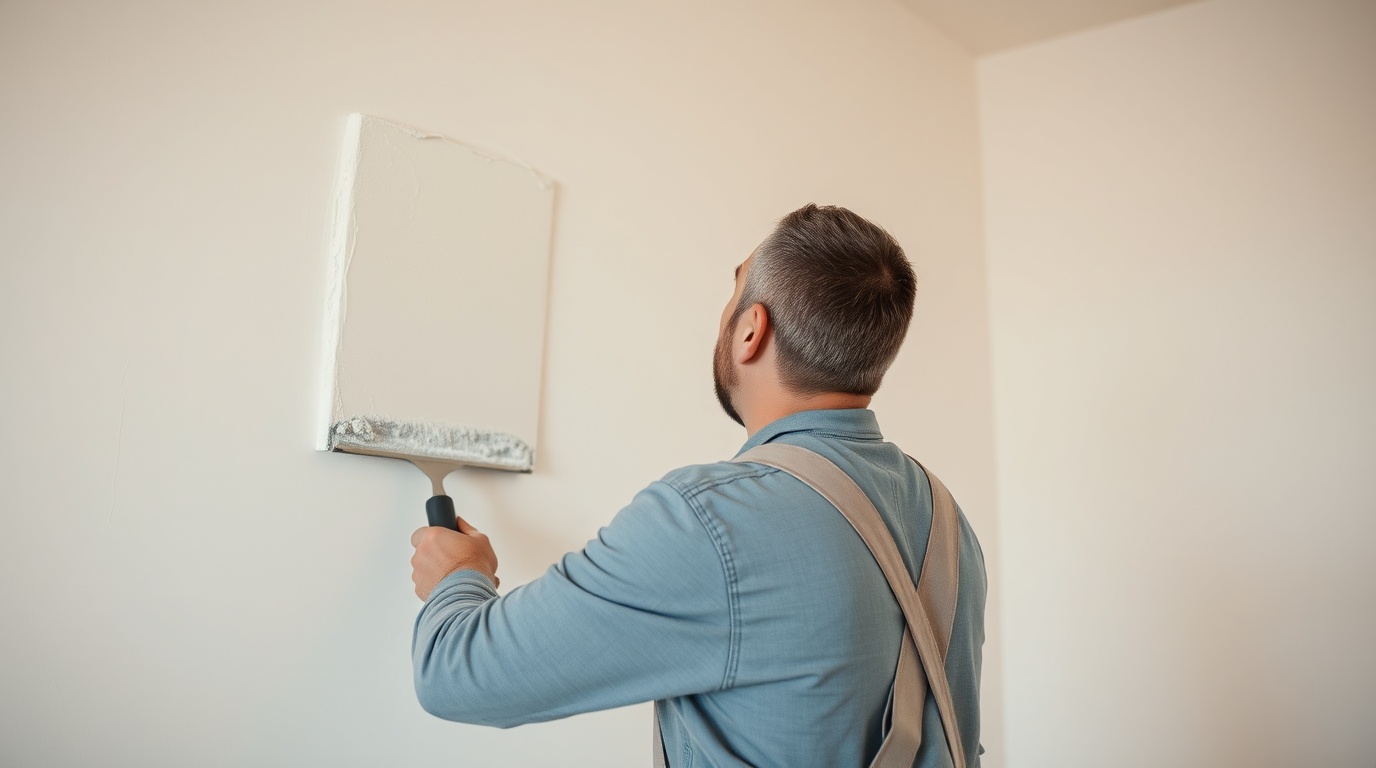
A skim is a thin 2–3mm finishing coat applied over walls that are sound but tired — cracked artex, lined paint, minor unevenness or old plaster that is firmly stuck to the wall. A full replaster means hacking the old plaster off back to brick or block and rebuilding it in two or more coats. You skim when the background is solid; you replaster when the existing plaster is blown (hollow-sounding and loose), damp-damaged, crumbling or badly bulged. The simplest test is to tap the wall: a dull, hollow sound over large areas usually means the bond has failed and a skim alone will not last.
Most homeowners overestimate how much work a wall needs, or underestimate it. Here is how to read the wall and pick the right job.
Skim vs replaster at a glance
- Skim coat2–3mm over a sound wall
- Full replasterHack off, rebuild in coats
- Skim cost (per room)lower — finish only
- Replaster cost (per room)higher — strip + rebuild
- Key testTap for hollow/blown areas
What each job actually involves
A skim is the top finishing layer of plaster, usually multi-finish gypsum, trowelled on at around 2–3mm to give a smooth, paintable surface. The plasterer prepares the wall — PVA or a bonding agent, sometimes scrim tape over cracks — then applies the skim in two passes and trowels it flat as it sets. It does not add structural depth or fix problems behind it; it refreshes a surface that is fundamentally sound.
A full replaster is a bigger operation. The old plaster is hacked off back to the masonry, the wall is cleared of debris and dust, and fresh plaster is built up in layers — typically a backing or float coat (hardwall, bonding or browning depending on the background) followed by a skim finish. It restores the wall from the substrate up, which is why it costs more, makes far more mess and takes longer to dry.
The tests that tell you which you need
Before deciding, run a few simple checks. Tap across the wall with your knuckles or a screwdriver handle: a sharp, solid sound means the plaster is keyed to the wall, while a dull, hollow or drummy sound over a patch means it has lost its bond and is 'blown'. Press firmly on suspect areas — if the plaster flexes, moves or sheds powder, the key has gone. Look for bulging, long horizontal cracks, salt deposits (efflorescence) or staining low on the wall, all of which point to deeper problems rather than a cosmetic one.
| Wall condition | Right job | Why |
|---|---|---|
| Sound but tired, lined paint, light cracks | Skim | Surface refresh only needed |
| Artex you want flat | Skim (over or after removal) | Background is solid |
| Hollow / blown over large areas | Replaster | Bond has failed |
| Bulging or crumbling plaster | Replaster | Substrate compromised |
| Damp-damaged or salt-stained | Replaster (after fixing damp) | Old plaster contaminated |
Indicative guidance for UK homes. Always treat the cause of any damp before replastering.
Cost, mess and disruption compared
A skim is the lower-cost, lower-disruption route. There is little waste to remove, the work is quick, and a single room can often be skimmed and left to dry within a day or two. A full replaster involves stripping the old plaster — heavy, dusty, dirty work — plus skip hire or waste disposal, more material, more labour and a longer drying period before you can decorate. As a rough rule, replastering a room costs noticeably more than skimming the same room because you are paying for demolition, disposal and a multi-coat rebuild rather than a single finishing pass.
Drying time differs too. A skim over a sound wall is thin and dries relatively quickly, often ready to paint within several days. Fresh backing-and-skim on a replastered wall holds far more water and should be left to dry thoroughly — commonly a week or more per coat of thickness — before sealing and painting, or the decoration can trap moisture and fail.
Making the decision room by room
The honest answer is that the wall decides, not your budget. If the existing plaster is firmly stuck, flat enough and only let down by old paint, cracks or texture, a skim is the sensible, economical choice and will give a clean surface for years. If the plaster is blown, bulging, crumbling or damp-affected, skimming over it is a false economy — the new finish moves with the failing layer beneath and cracks or falls off, and you end up paying twice.
It is common to mix the two within a property: one wall might be sound enough to skim while another, often an external or chimney-breast wall, needs hacking off and replastering. A good plasterer will sound out each wall before quoting and tell you honestly which approach each needs. If you are unsure, ask them to demonstrate the hollow areas by tapping with you present — it is usually obvious once you hear the difference. Where damp is involved, deal with the source and allow the masonry to dry before any plastering, otherwise the choice between skim and replaster becomes moot because both will fail.
Think about the knock-on jobs too, because they often tip the balance. A skim is largely self-contained: mask the floor, protect sockets and skirtings, and the room is back in use within a few days. A full replaster disturbs far more — skirting boards, architraves, coving and sometimes electrical accessories may need removing and refitting, the room must be cleared, and the volume of dust and debris is substantial. Replastering also resets the drying clock for the whole wall, so decorating, flooring and reinstating fittings all wait on it. None of this means you should avoid replastering when the wall genuinely needs it — skimming over failing plaster is the costlier mistake — but it is worth pricing the whole disruption, not just the plastering, when you weigh the two against each other.
There is also a halfway option worth knowing about, because it suits a lot of older houses: overboarding. Where a wall is uneven or partly blown but the masonry behind is sound and dry, a plasterer can fix plasterboard over the existing surface — by dot-and-dab or on battens — and skim that, rather than hacking everything back to brick. It avoids the worst of the mess and disposal of a full replaster while still giving a flat, fresh surface, and it can add a little insulation if insulated board is used. It is not a fix for damp or for plaster that is comprehensively failing, and it loses a few millimetres off the room and complicates sockets and skirtings, but on the right wall it sits sensibly between a thin skim and a full strip-out. The guiding principle stays the same throughout: match the work to the true condition of the wall and the cause of any problem, rather than defaulting to whichever option is quickest or lowest-cost, because plaster that is applied over an unresolved fault simply fails again and the saving disappears.
Frequently asked questions
Can you skim over plaster that is blown in places?
No — skimming over blown plaster means the new finish is only as good as the failing layer beneath it, so it will crack or detach. Blown areas need hacking off and replastering before any skim coat goes on.
How do I know if my plaster is blown?
Tap across the wall: a dull, hollow or 'drummy' sound over an area, plus plaster that flexes or sheds powder when pressed, indicates the bond to the wall has failed. Solid, sharp-sounding plaster is fine to skim.
Is replastering always more expensive than skimming?
Yes, because it adds stripping out the old plaster, waste disposal and a multi-coat rebuild on top of the finishing coat. Skimming is a single thin pass over a sound wall, so it costs and disrupts less.
Sources & further reading
Figures on this page are typical UK ranges drawn from published sources and depend on your specific room. They are guidance, not a quotation.