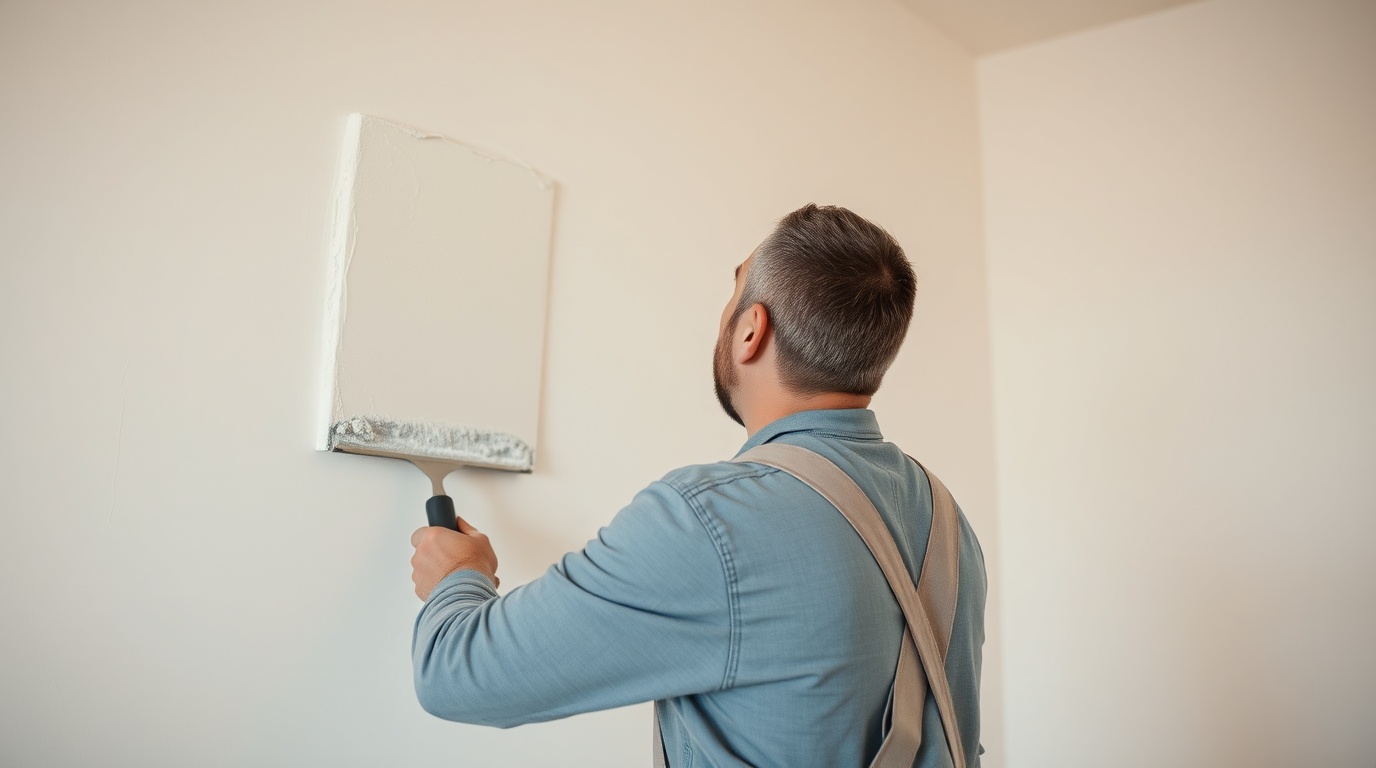
The short answer
Hiring a plasterer buys speed and a reliably flat, smooth finish, because skimming is a timing-critical skill that takes practice to master. DIY skimming can save labour cost and is achievable on a small, forgiving area — a cupboard, a small patch, a garage wall — if you accept a learning curve. The catch is that plaster sets on its own clock: you have a limited window to apply, flatten and polish before it goes hard, and beginners frequently end up with a rippled, ridged surface that needs sanding or a professional to put right. For a whole room or a visible wall, most people are better off paying a plasterer.
Skimming rewards practice more than almost any other DIY job. Here is a realistic look at doing it yourself versus paying a pro.
Pro vs DIY at a glance
- Hire a plastererFast, flat, reliable
- DIY skimSaves labour, steep learning curve
- Best DIY jobSmall patch or low-stakes wall
- Main riskPlaster sets before you finish
- Whole-room finishUsually pro territory
Why skimming is harder than it looks
Watching a plasterer, skimming looks effortless — they spread, flatten and polish a wall to glass smoothness in one fluid sequence. What you are watching is years of practice managing the plaster's setting window. Once mixed, multi-finish plaster begins to stiffen, and you have a limited time to lay it on in two passes, flatten it, and then trowel it to a polish at exactly the right moment — too early and it slumps, too late and it has gone hard and shows trowel marks and ridges.
Beginners typically struggle with three things: mixing to the right consistency, working fast enough across a whole wall before the plaster goes off, and reading when the surface is ready to polish. The result is often a wall that is wavy, ridged or pinholed and needs heavy sanding, filling or a professional skim over the top. On a small area you can recover from mistakes; across a full wall the timing pressure compounds.
Cost, time and what you actually save
DIY saves the labour element — you pay only for materials, tools and your own time. Plaster and a basic kit (trowel, hawk, mixing bucket, paddle) are inexpensive, so the headline saving on a room can look attractive. But you must weigh the value of your time, a far slower pace, the likelihood of redos, and the cost of putting a botched wall right. Hiring a plasterer costs more up front but delivers a finished, flat, paint-ready wall quickly and with little risk.
| Factor | Hire a plasterer | DIY skim |
|---|---|---|
| Finish quality | Reliably flat and smooth | Variable, improves with practice |
| Speed | Fast — a room in a day or so | Much slower, especially first attempts |
| Cost | Labour + materials | Materials + your time |
| Risk | Low | Higher — redos common |
| Best for | Whole rooms, visible walls | Small patches, low-stakes areas |
Indicative guidance for UK homes. DIY savings shrink quickly if a wall has to be redone or finished by a professional.
Where DIY genuinely works
Plenty of small jobs are realistic for a careful DIYer. Patching a damaged area, filling and skimming a small section, skimming a cupboard interior, or finishing a low-stakes utility wall are all achievable, especially if you accept the surface might not be perfect and you are willing to sand and touch up. Working in smaller sections reduces the timing pressure, because you are not racing the set across a huge area at once.
The honest dividing line is size, visibility and how forgiving the surface is. A small patch you can sand and paint is fine to attempt. A large, brightly lit living-room wall, a ceiling (gravity and timing make ceilings notably harder), or a whole-house replaster is where the gap between an amateur and a professional finish becomes obvious and expensive to fix.
Making the call
If the wall is large, visible or a ceiling, or you want it done quickly and to a high standard, hire a plasterer — the cost reflects a genuine, timing-critical skill, and a good finish from a pro is hard to beat for the money once you factor in the risk of DIY redos. If the area is small, hidden or low-stakes and you enjoy learning a manual craft, DIY skimming is a reasonable way to save labour cost and build a useful skill.
A sensible middle path many people take: do the messy preparation themselves — stripping wallpaper, removing old loose plaster, cleaning down — and bring in a plasterer just for the skim, which is the part that most needs the skill. That keeps the labour cost down while still getting a professional finish on the surface that everyone sees.
If you do decide to learn, go in with realistic expectations and the right tools, because poor kit makes a hard job harder. A decent finishing trowel that has been broken in (a brand-new trowel can drag and leave lines until its edges soften), a hawk, a clean bucket, a mixing paddle on a drill and a spot board are the basics. Mix small batches at first so you are not racing a huge tub of plaster as it sets, watch your suction and damp the wall or use a bonding agent if it is thirsty, and accept that your first walls will need sanding and touching up. Most people improve fast once they have felt the plaster go through its stages — wet, then 'pulling', then ready to polish — a few times. The honest summary is that DIY skimming is learnable and satisfying on the right small jobs, but it is not a shortcut to a flawless living-room wall on the first attempt, and there is no shame in paying a professional for the walls that show.
It also pays to be realistic about what a DIY skim cannot rescue. Skimming is a finishing skill, not a repair for a failing background: if the wall underneath is blown, damp or badly out of true, no amount of careful trowelling on top will fix it, and the new finish will crack or come away with the layer beneath. Beginners often pour effort into polishing a surface that was never sound to begin with. So before deciding pro-versus-DIY, sound the wall out and be honest about its condition — a sound, flat, firmly keyed wall that only needs freshening is the realistic DIY candidate, while anything blown, bulging or damp belongs to a professional who can strip and rebuild it correctly. Matching your own ability to the genuine state of the wall, rather than to how simple the job looks from across the room, is what keeps a money-saving DIY skim from quietly becoming a more expensive repair later.
Frequently asked questions
Is skimming a wall hard for a beginner?
Yes, harder than it looks. The difficulty is timing — plaster sets while you work, so you must apply, flatten and polish within a limited window. Beginners often end up with a ridged surface that needs sanding or redoing.
How much can I save skimming myself?
You save the labour element and pay only for materials, tools and your time. But the saving shrinks if the wall has to be redone or finished by a professional, which is common on first attempts at larger walls.
What is the easiest plastering job to do myself?
Small, hidden, low-stakes areas — patching damage, skimming a cupboard interior or a garage wall — where timing pressure is low and an imperfect finish can be sanded and painted without anyone noticing.
Sources & further reading
Figures on this page are typical UK ranges drawn from published sources and depend on your specific room. They are guidance, not a quotation.