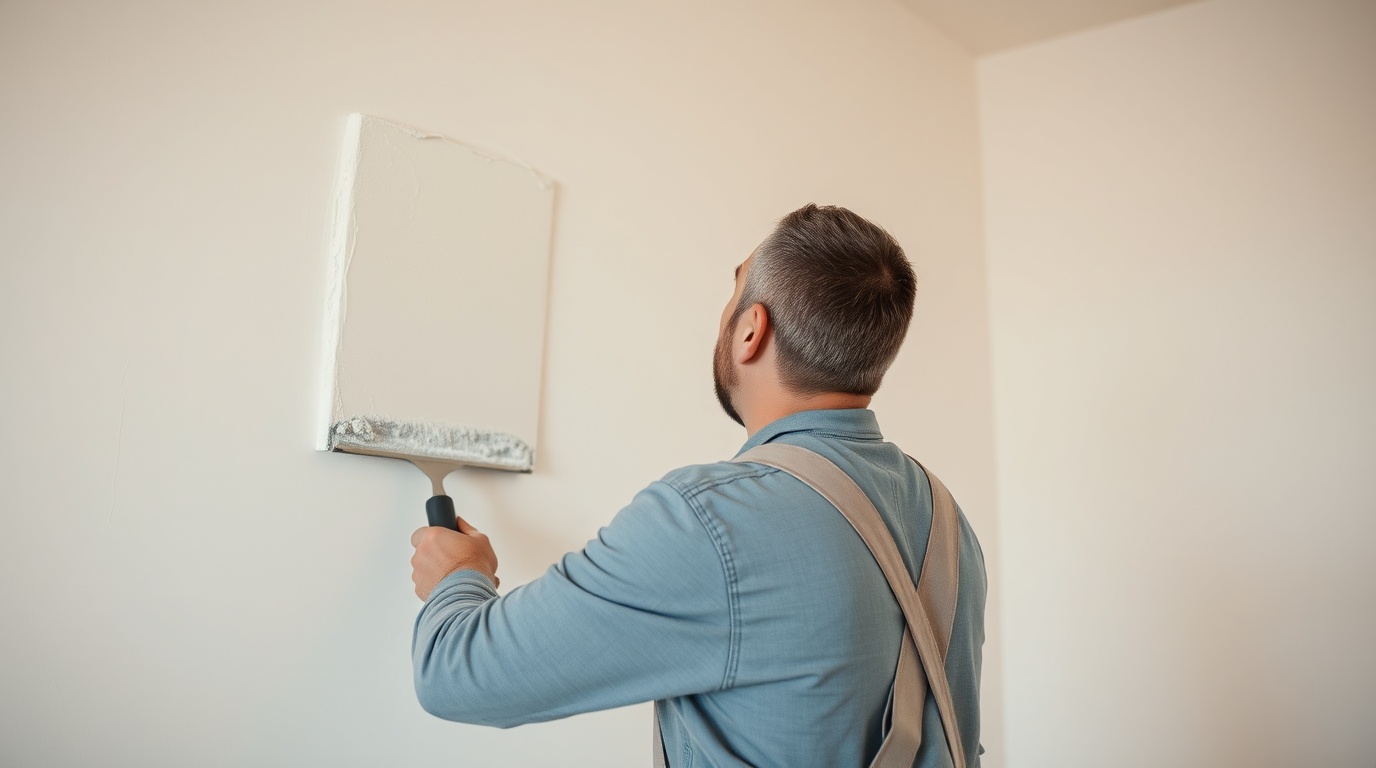
The short answer
No — you should not sand Artex or any textured coating until you know for certain it does not contain asbestos. Textured coatings applied before 2000 may contain chrysotile (white asbestos), and sanding is the worst possible way to disturb it because it grinds the material into fine dust and releases large numbers of fibres into the air you breathe. Even with a dust mask and an extractor, dry sanding an asbestos-containing coating is unsafe and, in a work context, unlawful. The safe sequence is: test the coating first. If it is confirmed asbestos-free, it can be sanded with normal dust precautions. If it contains asbestos — or if it is untested and pre-dates 2000 — do not sand it. Use a non-abrasive method such as skimming over it or overboarding instead.
People usually want to sand Artex because they want a smooth, modern finish. The instinct is understandable, but sanding is exactly the action that turns a low-risk material into a serious airborne hazard. Here is why, and what to do instead.
Sanding Artex — key facts
- Safe to sand untested pre-2000 coating?No
- Why sanding is worstCreates fine, airborne asbestos dust
- Test firstUKAS-accredited lab sample
- If asbestos-freeSand with normal dust controls
- Safer finish methodsSkim over or overboard
Why sanding is the most dangerous way to disturb a textured coating
Asbestos in a textured coating is hazardous only when its fibres are released into the air and inhaled. Different ways of disturbing the material release very different quantities of fibres. Gently painting over an intact coating releases almost none. Scraping or drilling releases some. Sanding releases the most, because the abrasive action grinds the coating into a fine powder and propels that powder into the air as a dust cloud, exactly where it can be breathed in.
This is why power sanding — and even vigorous hand sanding — of an asbestos-containing textured coating is regarded as one of the highest-risk DIY activities in an older home. The dust is fine enough to remain suspended in the air for a long time, to settle across a room, and to be re-disturbed later by cleaning or movement. A standard dust mask from a DIY shop does not filter asbestos fibres effectively, and a domestic vacuum cleaner spreads them rather than capturing them.
There is no safe way to sand a coating that contains asbestos. The only safe option is not to sand it at all, and to choose a method that does not break the surface up into dust.
Test before you touch it
Because you cannot identify asbestos by looking at a textured coating, the decision about whether sanding is safe rests entirely on a test result. The order of operations matters:
- Test first. Have a small sample analysed by a UKAS-accredited asbestos laboratory, ideally with the sample taken by a qualified surveyor so the act of sampling does not itself release fibres.
- If the result is negative (no asbestos detected), the coating can be sanded like any other surface, using normal dust precautions — a mask, eye protection, dust sheeting and ideally a sander with dust extraction. Even ordinary plaster dust is an irritant worth controlling.
- If the result is positive, do not sand it under any circumstances. Move to one of the non-abrasive options below.
- If it is untested and the coating pre-dates 2000, treat it as positive until proven otherwise. Assume it contains asbestos and do not sand.
The cost of a single sample test is small set against the consequences of grinding asbestos into the air of your home.
Safer ways to get a smooth finish
If your goal is a flat, modern surface and the coating contains asbestos — or is untested — there are well-established methods that do not involve abrading the material:
- Skim over the texture. A competent plasterer can apply a thin coat of plaster over a sound, stable textured coating to create a flat finish. Done with appropriate, non-abrasive preparation, this encapsulates the original coating rather than breaking it up. The texture is sealed inside the new surface.
- Overboard it. Fixing fresh plasterboard over the existing ceiling or wall and then skimming the new board gives a flat surface while leaving the textured coating undisturbed beneath. Fixings are planned to avoid heavy drilling into the coating itself.
- Encapsulate and decorate. Where a textured surface is in good condition and you can live with the texture, sealing it with paint keeps the fibres bound in place. This is the lowest-disturbance option of all.
Some people use textured-coating removers — products designed to soften the coating so it can be scraped off wet rather than sanded dry. Wet scraping is far less hazardous than dry sanding because it suppresses dust, but it is still a disturbance of asbestos-containing material and must be done by a competent person with proper controls and waste disposal, never as casual DIY on a confirmed-asbestos coating.
What the rules expect
In a domestic setting, the law does not police what you do to your own home in the same way it governs commercial work, but the safe-working principles are the same. Under the Control of Asbestos Regulations 2012, work that disturbs asbestos must control the release of fibres, and certain higher-risk work requires a licensed contractor. The practical takeaways for a homeowner are straightforward:
- Never dry-sand a textured coating that has not been confirmed asbestos-free.
- If a coating is confirmed to contain asbestos and you want it gone, get advice from a qualified asbestos professional on whether the work needs a licensed contractor.
- Dispose of any asbestos-containing waste through proper channels — it cannot go in normal household waste.
- If in doubt, encapsulate rather than remove. Leaving sound material undisturbed is usually the safest course.
The simplest, safest position is the one most professionals take: assume pre-2000 textured coatings contain asbestos, test before any work, and never sand.
Frequently asked questions
Can I sand Artex if I wear a mask?
No, not if the coating is untested or contains asbestos. An ordinary DIY dust mask does not filter asbestos fibres effectively, and sanding creates a fine dust cloud that lingers in the air. Only sand a textured coating once a laboratory test has confirmed it is asbestos-free, and even then use proper dust control.
What happens if I have already sanded Artex without testing it?
Stop work immediately, leave the area, and avoid disturbing the dust further. Do not vacuum with a domestic cleaner, which spreads fibres. Seek advice from a qualified asbestos professional, who can assess the situation and advise on cleaning and air testing. If the coating predates 2000, treat the dust as potentially containing asbestos until proven otherwise.
Is wet scraping safer than sanding Artex?
Wet methods suppress dust and are far less hazardous than dry sanding, which is why textured-coating removal is done with the material softened and wet. However, wet scraping is still a disturbance of potentially asbestos-containing material and should only be carried out by a competent person using proper controls and correct waste disposal, after the coating has been tested.
Sources & further reading
- HSE — Asbestos: textured decorative coatings (Artex)
- HSE — Asbestos essentials task guidance
- gov.uk — Asbestos and health and safety
Figures on this page are typical UK ranges drawn from published sources and depend on your specific room. They are guidance, not a quotation.