The short answer
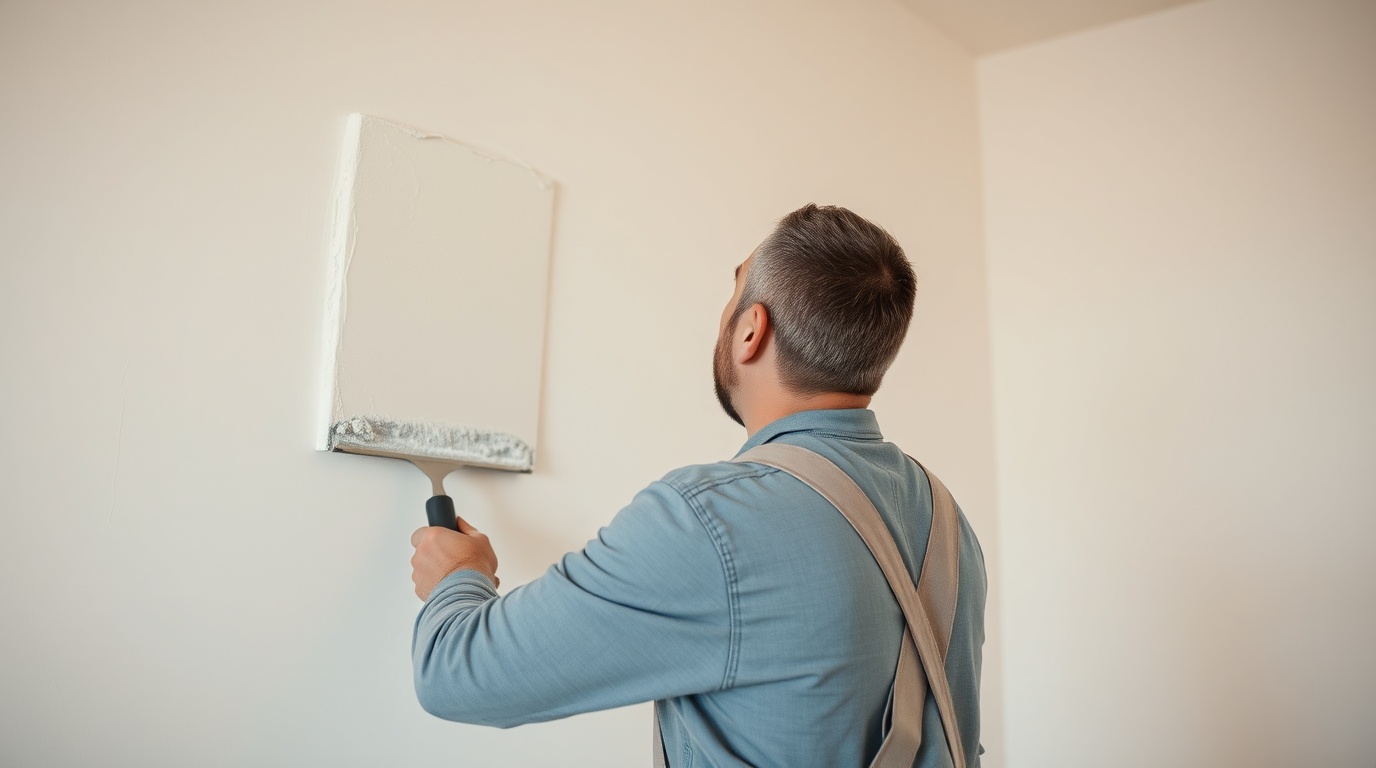
Skimming a single wall in the UK typically costs between £150 and £350, depending on the size of the wall, its condition and how much preparation it needs. Skimming means applying a thin finishing coat of multi-finish plaster — usually around 2–3mm — over a wall that is already sound and reasonably flat, such as existing plaster or fresh plasterboard. It is the lower-cost plastering job because it is essentially one coat plus prep, unlike a full re-plaster (float and set) which adds a backing coat. Most plasterers find single walls inefficient and prefer to quote for a whole room, so skimming all the walls in an average room commonly costs £400 to £700. Stripping wallpaper, filling damage and beading corners add to the figure.
Skimming is the most common plastering job in UK homes — refreshing sound but tired walls so they are flat and ready to paint. The price hinges on the wall's condition and how much prep comes before the trowel.
Cost to skim a wall
- Skim a single small wall£120–£250
- Skim a single large wall£200–£400
- Skim a whole average room£400–£700
- Typical thickness of a skim coatAbout 2–3mm
- Plasterer day rate£150–£250
What skimming actually is
A skim coat is a thin layer of finishing plaster applied to give a wall a smooth, flat, paint-ready surface. It is used in two common situations:
- Over existing sound plaster: where old walls are tired, slightly uneven, or have been stripped of textured paper, a skim renews the surface without the cost of re-plastering.
- Over fresh plasterboard: after new boards go up (a stud wall, a dry-lined wall, or boarding over old plaster), a skim gives a continuous smooth finish and hides the joints.
Skimming uses multi-finish plaster, applied in one or two passes to a total of around 2–3mm, then trowelled up to a polished, flat finish. It is the lower-cost job because there is no backing coat — unlike a full float and set, where a thicker floating coat of hardwall or bonding is applied first to build out and flatten bare brick or block. If a wall is badly uneven, blown or damp, a skim alone will not fix it and a re-plaster is needed instead.
How skimming is priced
Plasterers price skimming a few different ways, and knowing which you are getting helps you compare quotes:
- Per wall or per room: the most common approach for home jobs. The plasterer looks at the walls and gives a fixed price. Whole rooms are quoted more efficiently than single walls because there is less setting-up time per square metre.
- By the day: for smaller jobs, a day rate (commonly £150–£250 per plasterer, more in London) plus materials. A skilled plasterer can skim a fair amount of wall in a day on good surfaces.
- Per square metre: sometimes used for larger areas as a rough guide, though most domestic quotes end up as a room or job price.
Because single walls carry the same set-up time as a bigger job, the cost per square metre of one wall is higher than skimming a whole room. If you only need one wall done, expect the per-metre rate to feel steep compared with doing the lot.
| Skimming job | Typical UK cost | Rough time |
|---|---|---|
| Single small wall | £120–£250 | Half a day |
| Single large wall | £200–£400 | Half a day–1 day |
| All walls in a small room | £350–£550 | 1 day |
| All walls in an average room | £450–£700 | 1–2 days |
Indicative UK figures for guidance only. Sources: Checkatrade and MyJobQuote cost guides. Condition and prep change the price.
What changes the price
The condition of the wall and the prep needed are what move a skimming quote up or down:
- Wallpaper and old coatings: stripping wallpaper, especially several layers or stubborn backing paper, can add a chunk of time before skimming starts.
- Damage and unevenness: minor cracks and dinks are part of a normal skim, but significant damage, blown areas or deep unevenness may need filling, dubbing out, or a backing coat — at which point it edges towards a re-plaster.
- Corners and beads: external corners are usually finished with a metal or PVC angle bead, and reveals around windows and doors take extra care; these are normal but add a little time.
- Access and clearing: a cleared, accessible wall is quicker than working around furniture and fittings.
- Single wall vs whole room: doing one wall costs more per square metre than skimming the whole room in one visit.
When comparing quotes, confirm whether stripping, filling and beading are included, and whether the price is for the wall you have in mind or the whole room. A low figure that excludes the prep is not genuinely lower-cost once the wallpaper has to come off.
It is also worth understanding what a skim can and cannot fix, because this affects whether skimming is even the right job. A skim renews the surface and gives a flat, paint-ready finish, but it follows the underlying shape of the wall. It will not straighten a wall that bows or leans, hide a wall that is significantly out of true, or cure a wall that is damp or whose plaster has lost its bond. Where any of those apply, a backing coat or a full re-plaster is needed instead, and a plasterer who skims over an unsound wall is storing up a failure. A quick tap along the wall — listening for the hollow sound that signals blown plaster — is part of how a plasterer decides whether a skim will hold.
If you are weighing up doing one wall now and the rest later, bear in mind that plaster ages and weathers, so a wall skimmed today and one skimmed in two years may not look identical even in the same paint. For a feature wall or a single damaged area that will be papered or sit in low light, a one-off skim is fine. For a room you want to look uniform under good light, skimming everything in one visit gives the most consistent result and usually the best value per square metre.
Frequently asked questions
What is the difference between skimming and plastering?
Skimming is one type of plastering — a thin finish coat (around 2–3mm of multi-finish) applied over a wall that is already sound and flat. 'Plastering' more broadly can also mean a full re-plaster, or float and set, where a thicker backing coat is applied to bare brick or block first and then skimmed. Skimming is the lower-cost job because it omits that backing coat.
Can you skim over wallpaper?
It is not recommended. Plaster needs a stable, well-keyed surface, and wallpaper can lift, bubble or pull away as the plaster dries, taking the new finish with it. Plasterers normally strip wallpaper back to a sound surface before skimming, which is why removing several layers of paper adds time and cost to the job.
Is skimming cheaper than re-plastering?
Yes. Skimming is a single thin finish coat, while re-plastering (float and set) adds a thicker backing coat of hardwall or bonding to build out and flatten bare or badly uneven walls. The extra coat roughly doubles the labour and materials, so re-plastering is reserved for walls that are too damaged or uneven for a skim to fix.
Sources & further reading
Figures on this page are typical UK ranges drawn from published sources and depend on your specific room. They are guidance, not a quotation.