The short answer
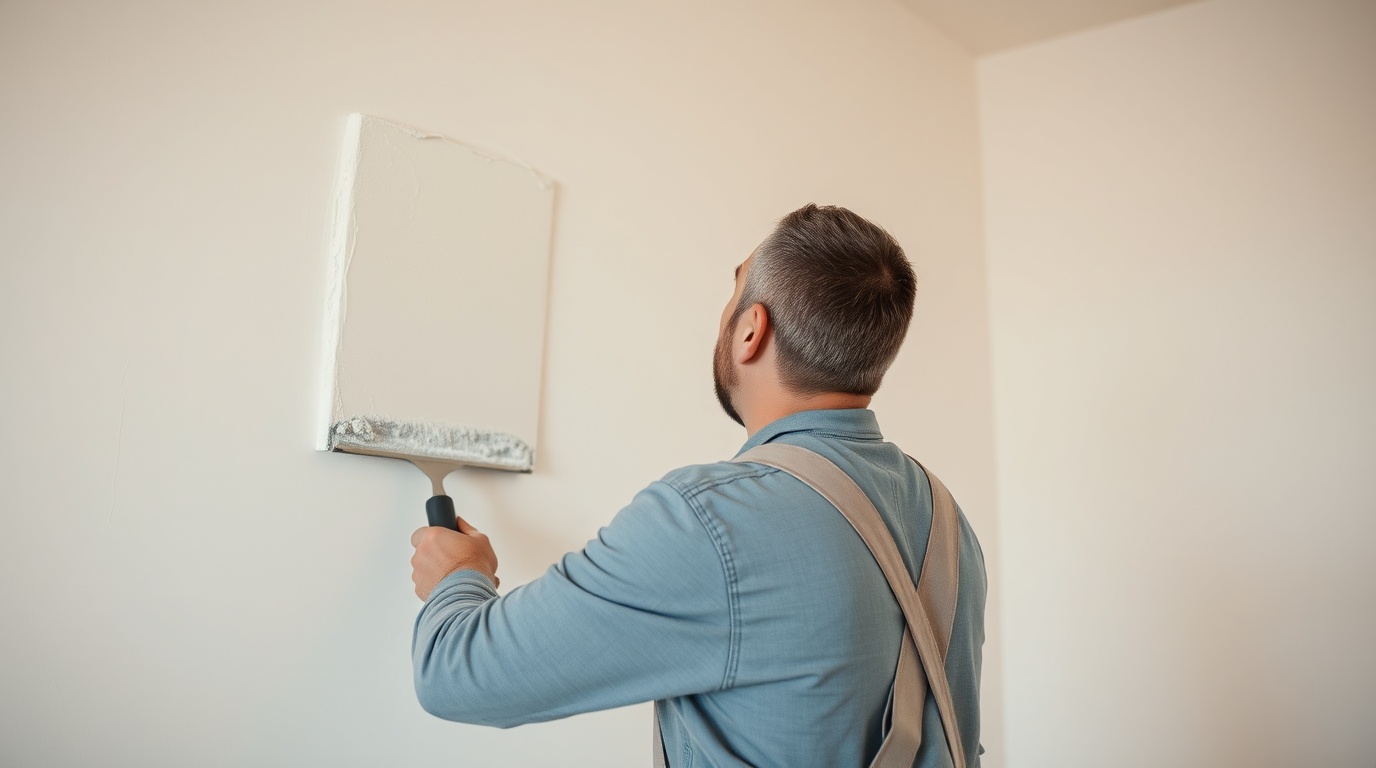
Repairing a plaster wall in the UK typically costs between £100 and £400 for a small to medium repair, depending on the size and type of damage and how accessible it is. Small jobs — filling a crack, patching a hole, or making good after removing a fixture — sit at the lower end, often a half-day of a plasterer's time plus materials. Larger problems, such as a section of blown plaster that must be hacked off and rebuilt, or damage caused by damp, cost more because the affected plaster is removed and the wall re-built with a backing coat and a finish. Because small repairs carry a similar set-up cost to bigger jobs, many plasterers have a minimum charge or prefer to combine several small repairs into one visit. The cause of the damage matters: a repair over an unresolved damp problem will simply fail again.
Plaster repairs range from a quick filled crack to hacking off and rebuilding a blown section. The key questions are what caused the damage, how much sound plaster surrounds it, and whether a patch will blend or the wall needs re-skimming.
Cost to repair plaster
- Fill a crack or small hole£100–£200
- Patch a medium area / make good£150–£300
- Hack off and re-plaster a blown section£250–£500+
- Typical minimum / half-day chargeAround £100–£150
- Key check firstFix the cause (e.g. damp)
Patch, re-skim or re-plaster?
The right repair — and the cost — depends on how much of the wall is affected and whether the surrounding plaster is sound:
- Filling and patching: for cracks, small holes and minor damage, a plasterer fills, builds up and finishes the area to blend with the surrounding wall. This is the quickest and lowest-cost repair, often a half-day job.
- Re-skimming a wall or area: where damage is widespread but the wall behind is sound — many small cracks, an uneven patched surface, or a wall that has been repaired several times — a full skim over the whole wall gives a uniform finish. This costs more than a single patch but avoids a blotchy result.
- Hack off and re-plaster: where plaster has blown (lost its bond and sounds hollow when tapped), or where damp has destroyed it, the failed plaster is removed back to the masonry and rebuilt with a backing coat and a finish. This is the most involved repair.
A plasterer will tap and inspect the area to judge how far the failure extends — blown plaster often spreads beyond the visible damage, so the repair can be larger than it first appears.
| Repair | Typical UK cost | Rough time |
|---|---|---|
| Fill a crack or small hole | £100–£200 | 1–2 hours |
| Make good after removing a fixture | £100–£250 | Half a day |
| Re-skim a single wall | £150–£350 | Half a day–1 day |
| Hack off and re-plaster a blown section | £250–£500+ | 1 day+ |
Indicative UK figures for guidance only. Sources: Checkatrade and MyJobQuote cost guides. Size, cause of damage and access change the price.
Fix the cause before the plaster
The most important thing with a plaster repair is to deal with whatever caused the damage, otherwise the repair will fail again. Common underlying causes include:
- Damp: penetrating damp, rising damp or a leak will keep destroying plaster until the source is resolved. Where damp is the cause, the masonry behind needs to dry and the affected plaster is often rebuilt with a renovating plaster suited to those conditions. Plastering over still-damp walls traps moisture and the repair blows again.
- Movement and settlement: fine cracks are common as buildings move with temperature and humidity, but recurring or widening cracks can signal structural movement that should be assessed before cosmetic repair.
- Failed bond: old plaster simply losing its grip on the wall (blown plaster) needs removing and rebuilding rather than skimming over.
A reputable plasterer will flag a likely cause rather than papering over it. Where damp or movement is suspected, the cost of investigating and fixing the cause is separate from — and comes before — the plastering.
What changes the price
Several practical factors move a repair quote up or down:
- Size and depth of damage: a hairline crack is cheap; a large blown section that must be hacked off and rebuilt is the most expensive.
- Blending: a single patch in the middle of a wall can be hard to hide, so achieving an invisible finish sometimes means re-skimming the whole wall, which costs more but looks better.
- Access: a repair high on a stairwell wall or on a ceiling needs access equipment and overhead work, adding time.
- Minimum charge: because small jobs carry similar set-up time to bigger ones, many plasterers apply a minimum or half-day charge, so very small repairs are not as cheap per metre as they look.
- Combining jobs: grouping several small repairs into one visit is more efficient and usually better value than calling someone out repeatedly.
When getting a quote, point out everything that needs doing at once, and ask whether a patch will blend or whether re-skimming the wall will give a better result. The honest answer affects both the cost and the finish.
It is worth being realistic about how well a patch can be hidden. Plaster repairs are skilled work, and a good plasterer can feather a patch into the surrounding wall so it disappears under paint — but the larger and flatter the wall, and the brighter the light, the harder that becomes. A small repair in a textured or dimly lit area may vanish completely; a patch in the middle of a smooth feature wall in strong daylight can catch the eye even when expertly done. This is why re-skimming the whole wall, though more expensive than a single patch, is sometimes the route to an invisible finish, and a plasterer will say so honestly when a patch is likely to show.
Finally, distinguish between cosmetic cracks and warning signs. Fine, stable hairline cracks — often along the line between ceiling and wall, or where different materials meet — are common as a building moves with temperature and humidity, and they are a straightforward fill. Cracks that are wide, that keep reopening after filling, that run diagonally across a wall, or that are accompanied by sticking doors or windows can point to movement that should be assessed before any cosmetic repair. Repairing the symptom without understanding the cause wastes money if the crack simply returns, so it is sensible to flag any recurring or widening crack to the plasterer or a surveyor rather than just filling it.
Frequently asked questions
Why does my plaster keep cracking or blowing in the same place?
Recurring damage almost always points to an unresolved cause rather than a poor repair. Blown plaster that returns usually means damp, a leak, or that the old plaster has lost its bond over a wider area than was repaired. Fine cracks that keep reopening can indicate building movement. The cause needs investigating and fixing before re-plastering, or the repair will simply fail again.
Is it worth patching plaster or should I re-skim the whole wall?
It depends on how visible the patch will be. A small repair in a textured or low-light area may blend fine. A patch in the middle of a smooth wall in good light can be hard to hide, in which case re-skimming the whole wall gives a uniform, paint-ready finish. A plasterer can advise which will look better for the cost.
Do plasterers have a minimum charge for small repairs?
Often, yes. Because a small repair carries similar travel and set-up time to a larger job, many plasterers apply a minimum or half-day charge. This makes very small jobs less cost-effective per metre, so it is usually better to combine several small repairs into one visit rather than calling someone out for each.
Sources & further reading
Figures on this page are typical UK ranges drawn from published sources and depend on your specific room. They are guidance, not a quotation.