The short answer
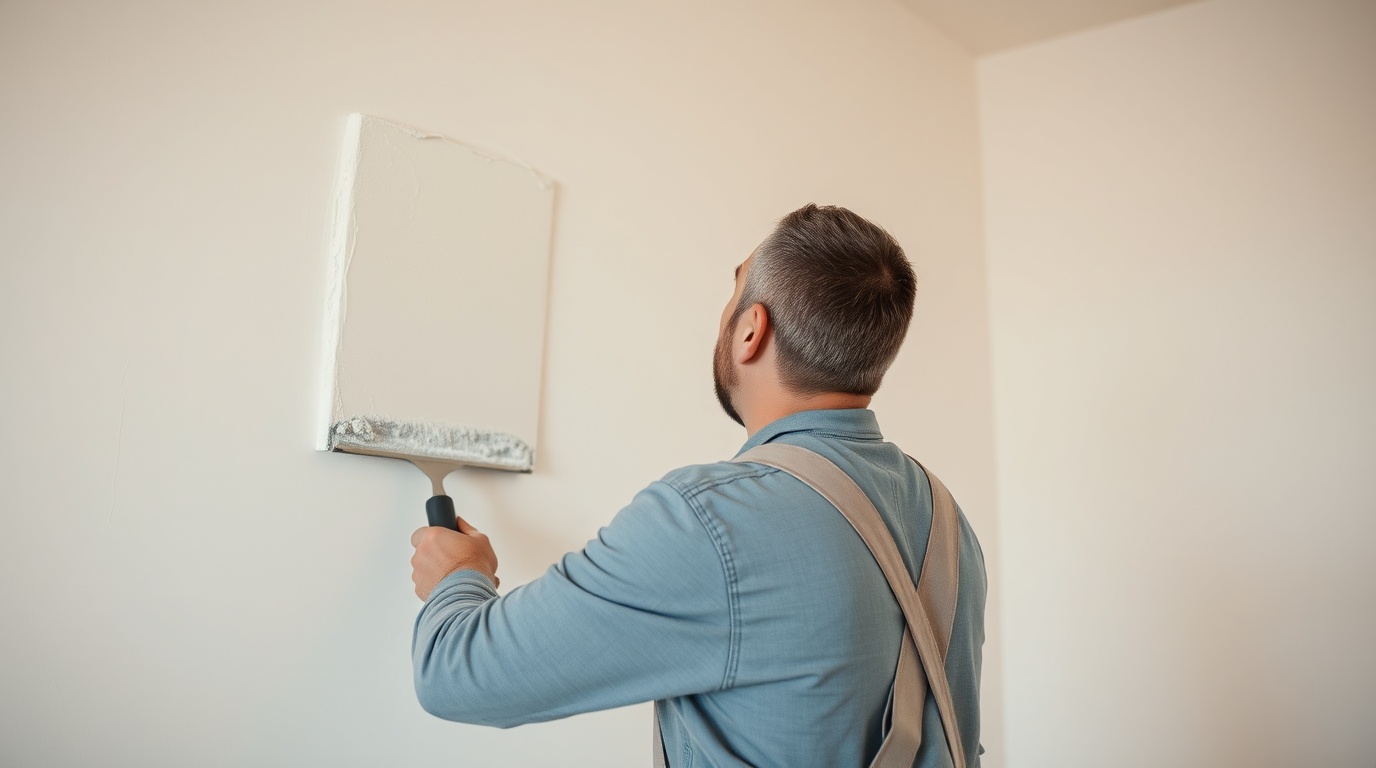
Yes, you can often plaster (skim) over old plaster — but only if the existing plaster is sound. The deciding factor is whether the old plaster is firmly bonded to the wall, dry, stable and properly prepared. If it is solid, with no hollow blown areas, no active damp and no flaking paint, a competent plasterer can skim a thin finish coat straight over it to give a fresh, flat surface. You cannot skim over old plaster that is blown (hollow-sounding), damp, salt-contaminated, heavily cracked, crumbling, or coated with anything the new plaster will not bond to — that plaster has to be cut out or stripped first, or the new skim will fail along with it. Preparation matters too: glossy or unstable paint, dust and high or low suction all have to be dealt with so the new plaster keys. In older breathable homes, also match the material — skimming a lime wall with gypsum can cause problems.
Skimming over existing plaster is a common way to refresh a tired wall without the mess of stripping back to the brick. It works well when the old plaster is in good shape — and fails when it is not. Here is how to tell the difference.
Skimming over old plaster — key facts
- When it worksOld plaster is sound, dry, well-bonded
- When it failsBlown, damp, crumbling or flaking
- Key testTap for hollow (blown) areas
- Prep neededStable surface, controlled suction
- Old homesMatch material — lime not gypsum
When you can skim over old plaster
Overskimming — applying a thin finish coat of plaster over existing plaster — is a legitimate and tidy way to renew a wall, provided the surface underneath is sound. It works when:
- The old plaster is firmly bonded. Tapped across the wall, it sounds solid, not hollow. There are no blown, drummy areas that would let go and take the new skim with them.
- It is dry and damp-free. No staining, tide marks, salts, blistering or musty smell. New plaster over damp old plaster repeats all the usual damp failures.
- The surface is stable. No crumbling, no extensive deep cracking, no flaking paint or loose material that the new coat cannot grip.
- Any paint is sound and can be keyed or primed. Stable matt paint can often be treated so plaster bonds; glossy, flaky or unstable coatings need removing or sealing with an appropriate primer first.
In these conditions a competent plasterer prepares the surface — controlling suction and applying a bonding agent or primer where needed — and applies a thin skim to produce a flat, decoratable finish over the existing plaster. It saves the mess and drying time of stripping back to bare masonry.
When old plaster has to come off first
Skimming over old plaster does not fix what is wrong underneath — it inherits it. The old plaster must be removed or cut back when:
- It is blown. Hollow, drummy areas have lost their bond to the wall. Skim over them and the new finish bulges and cracks as the failed plaster behind it lets go. Blown plaster is cut out back to a sound edge and made good before any skim.
- It is damp or salt-contaminated. Damp must be diagnosed and the source fixed, and salt-laden plaster usually has to be removed, because it keeps drawing moisture and will destroy any new finish put over it.
- It is crumbling or badly cracked. Plaster that is soft, friable or extensively cracked has no integrity to skim onto.
- The surface is too uneven. A thin skim cannot correct heavy undulation; that needs building out with an undercoat or stripping and replastering.
- It is coated with something incompatible. Unstable paints, distempers (common in old houses), and certain coatings prevent the new plaster bonding and must be removed or sealed.
Preparation makes or breaks the job
Even on sound old plaster, preparation decides whether the new skim bonds and lasts. The key issues are suction and surface stability:
- Control suction. Old, dry, porous plaster can have very high suction, sucking water out of the new skim too fast so it cracks or fails to spread. This is managed by dampening down or applying a bonding agent/primer to balance the suction. Very smooth or painted surfaces have low suction and need a bonding agent so the skim grips.
- Stabilise and clean. Remove dust, loose material and flaking paint. Seal chalky or powdery surfaces. Deal with any glossy paint so it is keyed or primed.
- Treat old distemper and limewash. Older houses often have soft distemper or limewash that gypsum will not bond to; these need removing or an appropriate approach, which is one reason old-house overskimming is best left to someone experienced with period surfaces.
Good preparation is the difference between a skim that lasts for decades and one that blisters and cracks within months.
The old-building material caveat
There is an important consideration specific to older homes. If the existing plaster is traditional lime plaster on a solid wall or on timber laths — typical of pre-1919 buildings — then the wall is part of a breathable system. Skimming it with modern gypsum applies a non-breathable layer that can trap moisture, and gypsum does not bond well to soft lime or distempered surfaces. On these walls the appropriate finish is usually a breathable lime skim, not gypsum multi-finish.
So the full answer to "can you plaster over old plaster?" is: yes, where the old plaster is sound, dry and properly prepared — but match the new material to the wall. On a modern, sound, gypsum-plastered wall, a gypsum skim is fine. On an old, breathable, lime-plastered solid wall, keep it in lime. And in every case, deal with anything blown, damp or unstable before the new plaster goes on, because a skim renews the surface — it does not cure the problems underneath it.
Frequently asked questions
Can you skim over painted walls?
Often yes, if the paint is sound and stable. Matt emulsion in good condition can usually be skimmed over after the surface is keyed or treated with a bonding agent so the plaster grips. Glossy, flaky, powdery or unstable coatings — and old distemper or limewash in period homes — need removing or sealing first, because new plaster will not bond reliably to them.
Do you have to remove old plaster before skimming?
Not if the old plaster is sound — firmly bonded, dry, stable and properly prepared, you can skim a thin finish coat straight over it. You do have to remove or cut back old plaster that is blown (hollow-sounding), damp, salt-contaminated, crumbling, badly cracked, or too uneven for a thin skim to correct, because the new finish would fail along with it.
Can I skim a lime-plastered old wall with normal gypsum?
It is usually the wrong choice. A lime-plastered solid wall in an older home is part of a breathable system, and gypsum is non-breathable and bonds poorly to soft lime or distempered surfaces. Applying gypsum can trap moisture and lead to damp and blown plaster. On these walls a breathable lime skim is the appropriate finish, ideally applied by a plasterer experienced with lime.
Sources & further reading
- British Gypsum — skimming and surface preparation guidance
- The Federation of Plastering and Drywall Contractors — plastering guidance
- SPAB — plaster repair in old buildings
Figures on this page are typical UK ranges drawn from published sources and depend on your specific room. They are guidance, not a quotation.